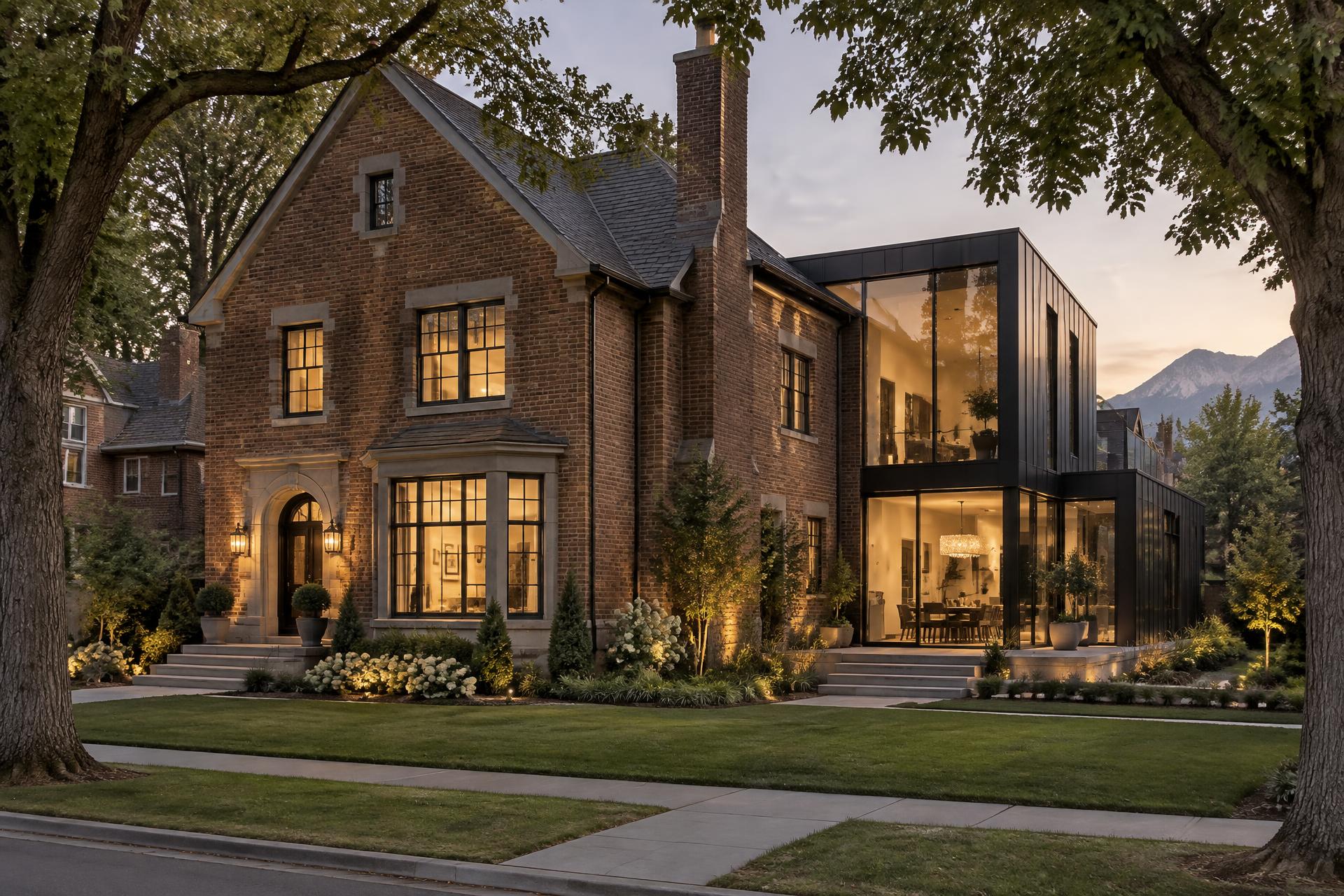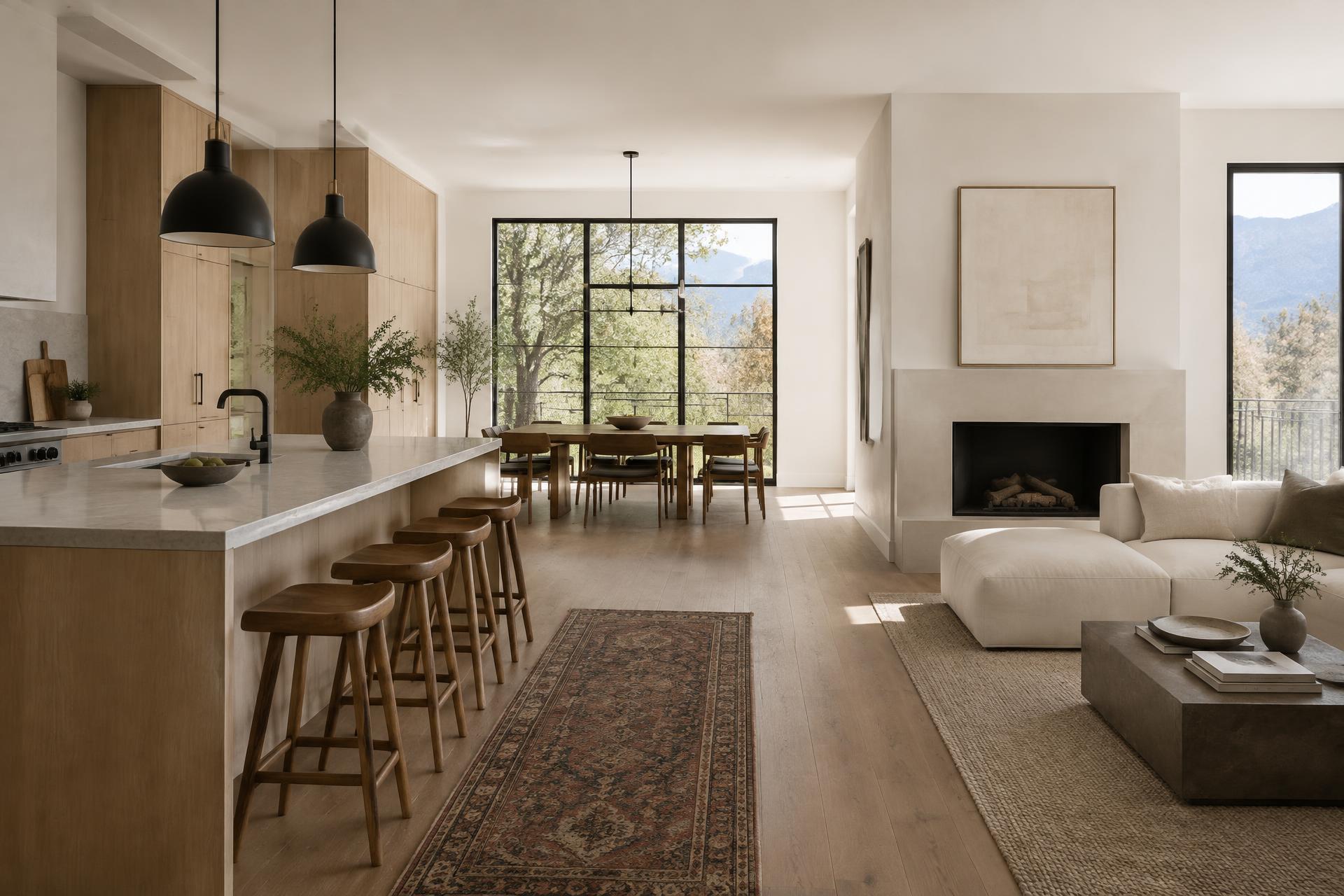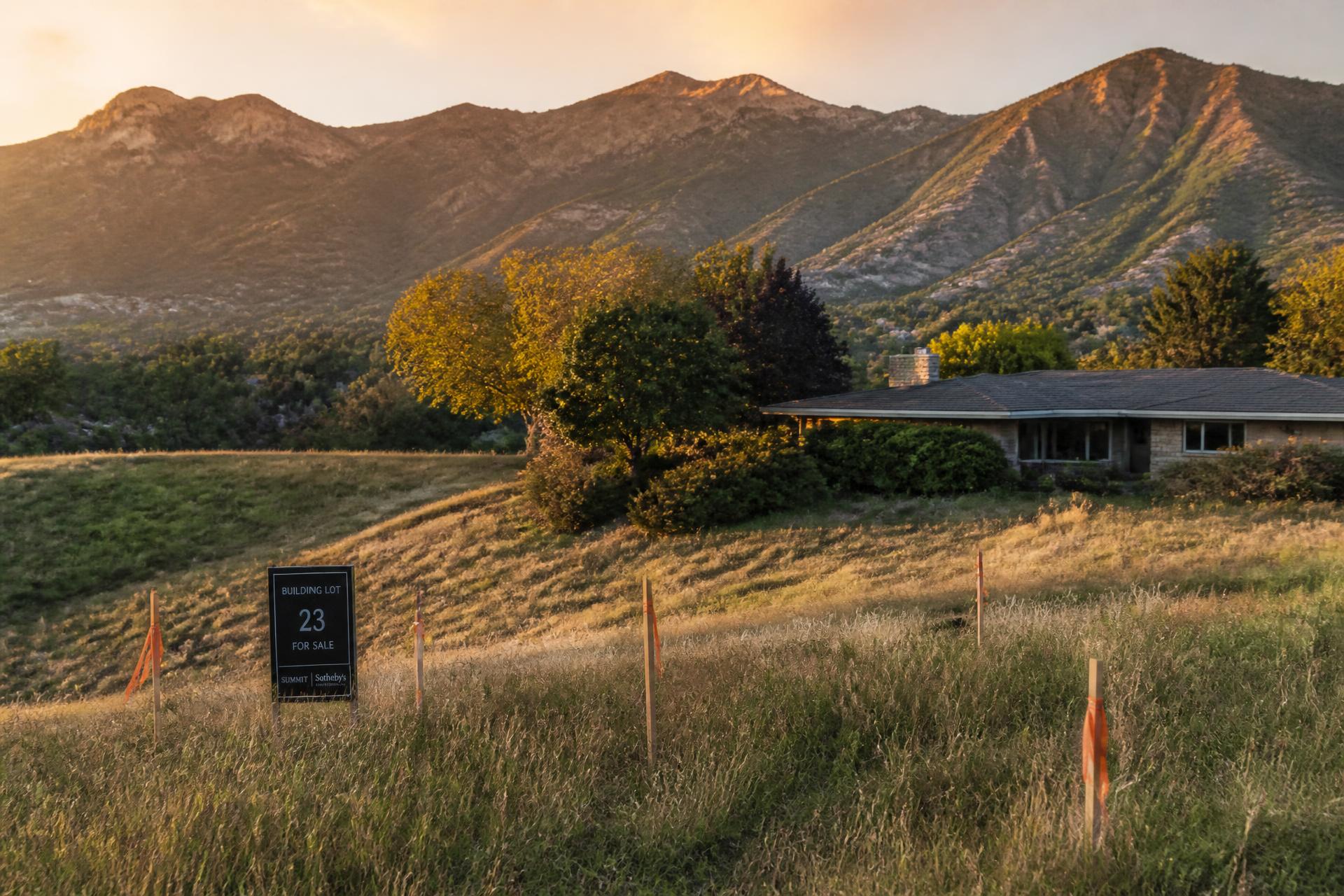
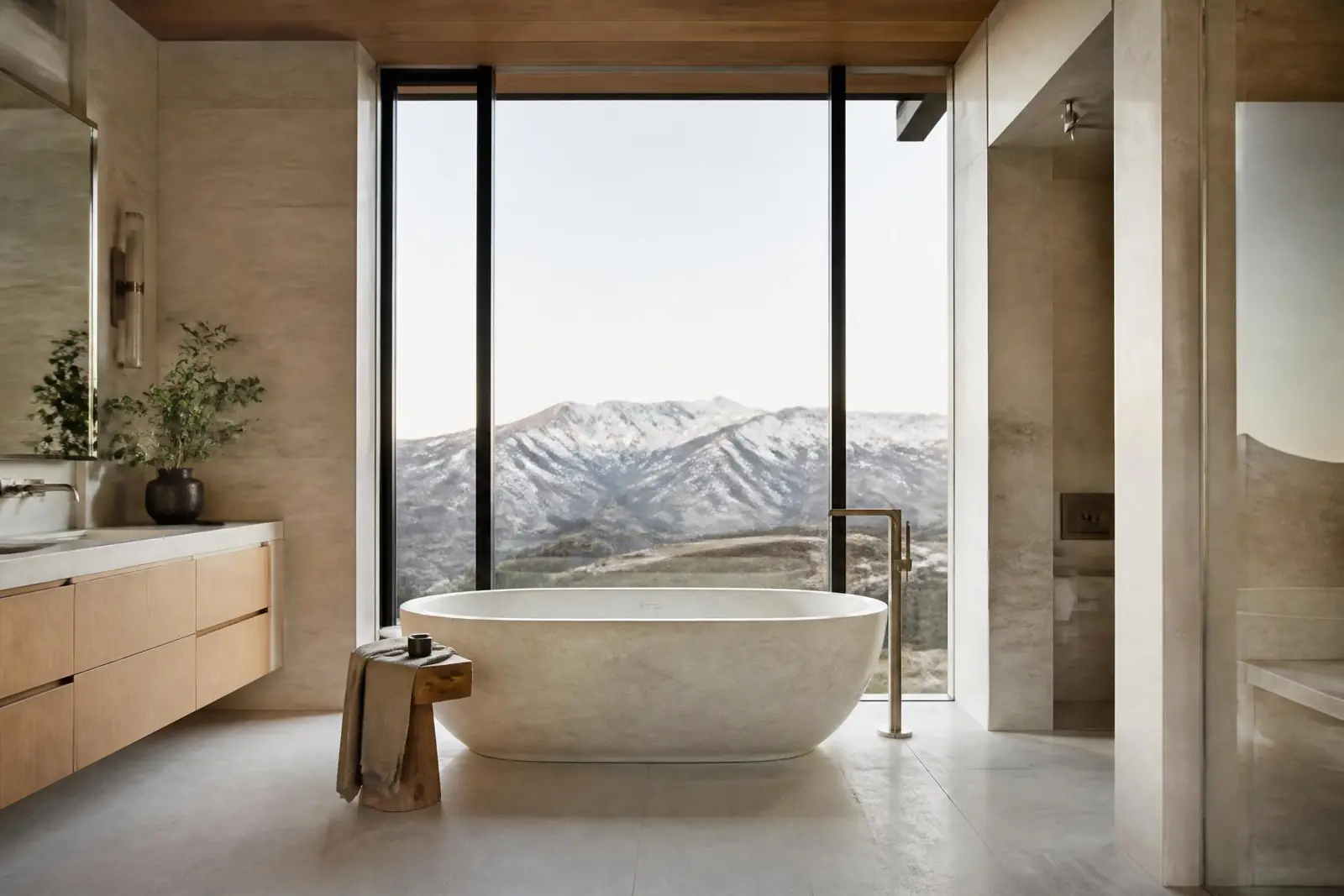
Luxury Home Additions in Utah: Cost, Permits and Design
Quick answer
In Salt Lake County, market ranges for a home addition run about $175 to $285 per sq ft, rising to $350 to $420 or more for high-end work and $385 to $585 for kitchen and bath space. Most additions take 3 to 7 months from design to completion, and city setback and height rules set what you can build.
For base construction bands and an all-in planning range, use our Utah custom home cost estimator and 2026 cost index.
A home addition in Salt Lake County typically costs $175 to $285 per square foot in market ranges, with high-end work at $350 to $420 or more and kitchen or bath space at $385 to $585, because plumbing, cabinetry and ventilation concentrate cost. Some Utah builders quote $300 to $500 or more at the high end. What you can build is then set by your city's setback, height and coverage rules.
This research guide covers the numbers by addition type, where the money actually goes, the zoning limits in Salt Lake City, Holladay and Draper, realistic timelines and what the resale data says. Every figure is a researched market range, not a quote. If you are looking for our addition design and construction service, see luxury home additions in Utah.
What does a home addition cost per square foot in Utah?
- Salt Lake County, typical: about $175 to $285 per sq ft.
- High-end additions: about $350 to $420 or more per sq ft.
- Kitchen and bath space: about $385 to $585 per sq ft.
- Other Utah builders, high end: quotes of $300 to $500 or more per sq ft.
Per-square-foot figures for additions run higher than for new homes of similar quality, because the fixed costs of tying into an existing structure are spread over fewer square feet.
How much do different types of additions cost?
| Addition type | Typical size | Market range |
|---|---|---|
| Primary suite | 350 to 500 sq ft | $110,000 to $210,000 |
| Second story | 800 to 1,200 sq ft | $220,000 to $450,000 |
| Great room | 300 to 400 sq ft | $60,000 to $130,000 |
| Room over garage | Varies | $100 to $300 per sq ft |
For an upscale primary suite, the Mountain-region average reported in Cost vs Value data is about $350,000, well above the general range, which reflects luxury bath finishes and larger footprints.
Second-story additions typically run 20 to 35 percent above comparable ground-level work. The existing foundation and walls have to be checked and often reinforced to carry the new load, the roof comes off, and the house is exposed during construction.
Where does the money go in an addition?
The roof tie-in
The roof tie-in is the most commonly underestimated line in an addition budget. Joining a new roof to an old one involves framing, flashing, waterproofing and often reworking part of the existing roof. Because hidden conditions surface here, it is worth carrying a separate 10 to 15 percent contingency for the tie-in alone.
Foundation
A ground-level addition needs a new foundation that is doweled into the existing foundation, with steel bars drilled and anchored so the two act together and do not settle apart.
Electrical and mechanical
Many additions push an older home past its electrical capacity. A panel upgrade typically runs about $2,000 to $4,000 or more. Larger additions often need a new HVAC zone rather than stretching the existing system.
Labor
Labor typically accounts for 40 to 50 percent of an addition budget. Additions are labor-heavy because so much of the work is careful connection to an existing building.
How tall and how close to the lot line can I build?
An addition needs a building permit and must fit the property's zoning limits for height, setbacks and lot coverage. The district-specific figures below are planning references; each city's official planning page provides the current rules for the parcel.
Salt Lake City (R-1/7000)
- Height: 28 ft for a pitched roof, or the average height of homes on the block face.
- Rear setback: 25 ft.
- Lot coverage: 40 percent maximum.
- Historic districts: in the Avenues and other local historic districts, exterior changes need a Certificate of Appropriateness, and additions over 50 percent of the existing footprint go to the Historic Landmark Commission.
Permit applications and current review requirements are on Salt Lake City's building permit page. Exterior changes in a local historic district also need a Certificate of Appropriateness; applications and review steps are on the Salt Lake City Historic Preservation office.
Holladay (R-1)
- Height: 32 to 40 ft, depending on lot size.
- Side setbacks: combined side setbacks equal to 25 percent of lot width.
Current district standards and zoning review information are on the Holladay Planning and Zoning Division.
Draper
- Height: 35 ft.
- Lot coverage: 40 percent maximum.
- Rear setback: 20 ft.
Current building and zoning requirements are on Draper's building permit page and Planning and Development page. HOA covenants can add stricter limits than city rules.
How long does a home addition take?
A typical addition takes 3 to 7 months overall:
- Design: 3 to 8 weeks.
- Permits: 4 to 14 weeks.
- Construction: 8 to 24 weeks.
In Salt Lake City, the first plan review typically comes back in about 14 business days. Historic district review, revisions and HOA approval add time. In Lehi, a remodel needs a permit once plumbing, gas, electrical systems or walls change. Applications, fees and review information are on Lehi's Building and Inspections page; the 4 to 14 week permit range above is a general planning range, not a Lehi turnaround promise.
Does a home addition pay back at resale?
Usually not in full. Mountain-region 2025 Cost vs Value data shows:
- Primary suite addition: recoups about 15.6 percent (upscale) to 26.8 percent (midrange) of cost at resale.
- Bathroom addition: recoups about 37.5 to 47.4 percent.
The honest framing is that a luxury addition is a lifestyle decision, not a resale play. It makes sense when the house, location and lot are right and the extra space will be used for years. If resale return is the main goal, the numbers rarely support a large addition.
What should you know before pricing an addition?
- Your zone, setbacks, height limit and coverage, and whether the lot sits in a historic district.
- The condition of the existing foundation, framing and roof where new work connects.
- Electrical panel capacity and whether the HVAC system can serve more space.
- Whether you are adding wet rooms such as kitchens and baths, which raise cost per square foot.
- HOA covenants that may restrict height, materials or footprint.
Answering these first turns a market range into a project-specific budget.
Sources
- Cost vs Value Report, Mountain region (2025)
- Salt Lake City zoning ordinance, R-1/7000 district
- Salt Lake City Historic Landmark Commission
- Holladay City zoning ordinance, R-1 districts
- Draper City zoning ordinance
Modern International Builders
Utah's premier custom home builder, specializing in luxury residences throughout Park City, Alpine, Highland, and Draper. With over 20 years of experience, we transform visions into exceptional living spaces.
Learn more about our team →